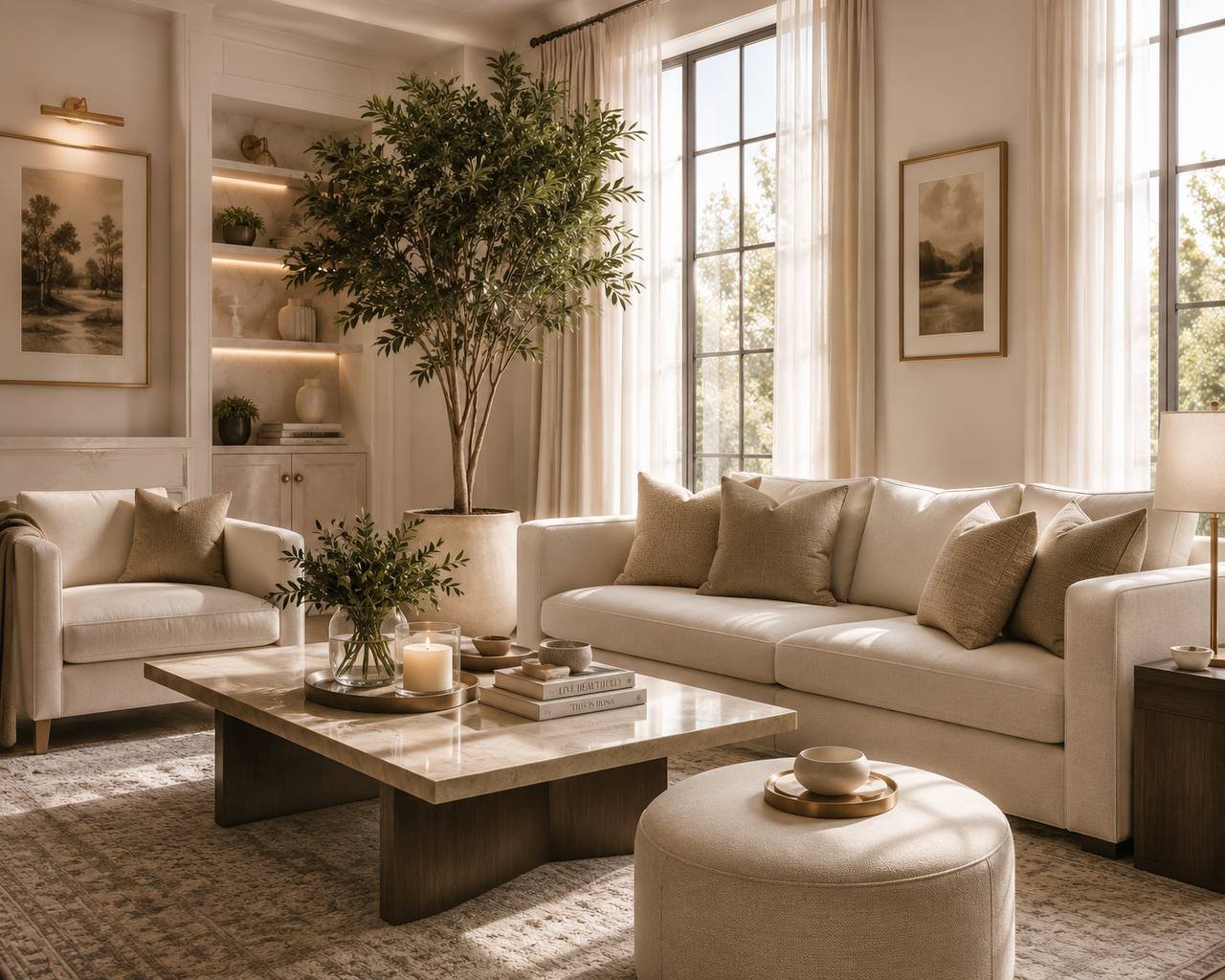
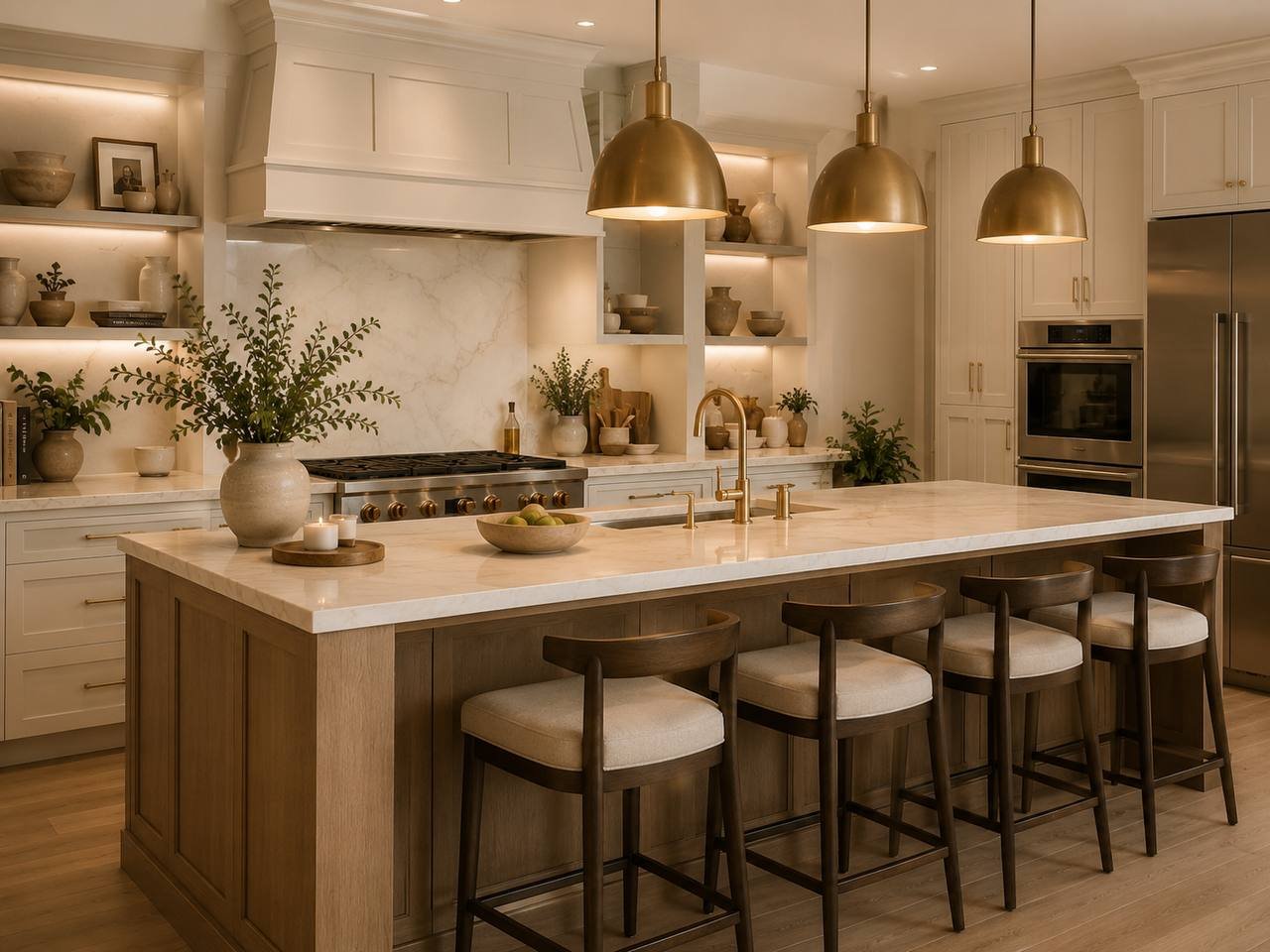
The Power of Natural LightIn Your Home
Light is the one material every home already owns — the art is in letting it in.
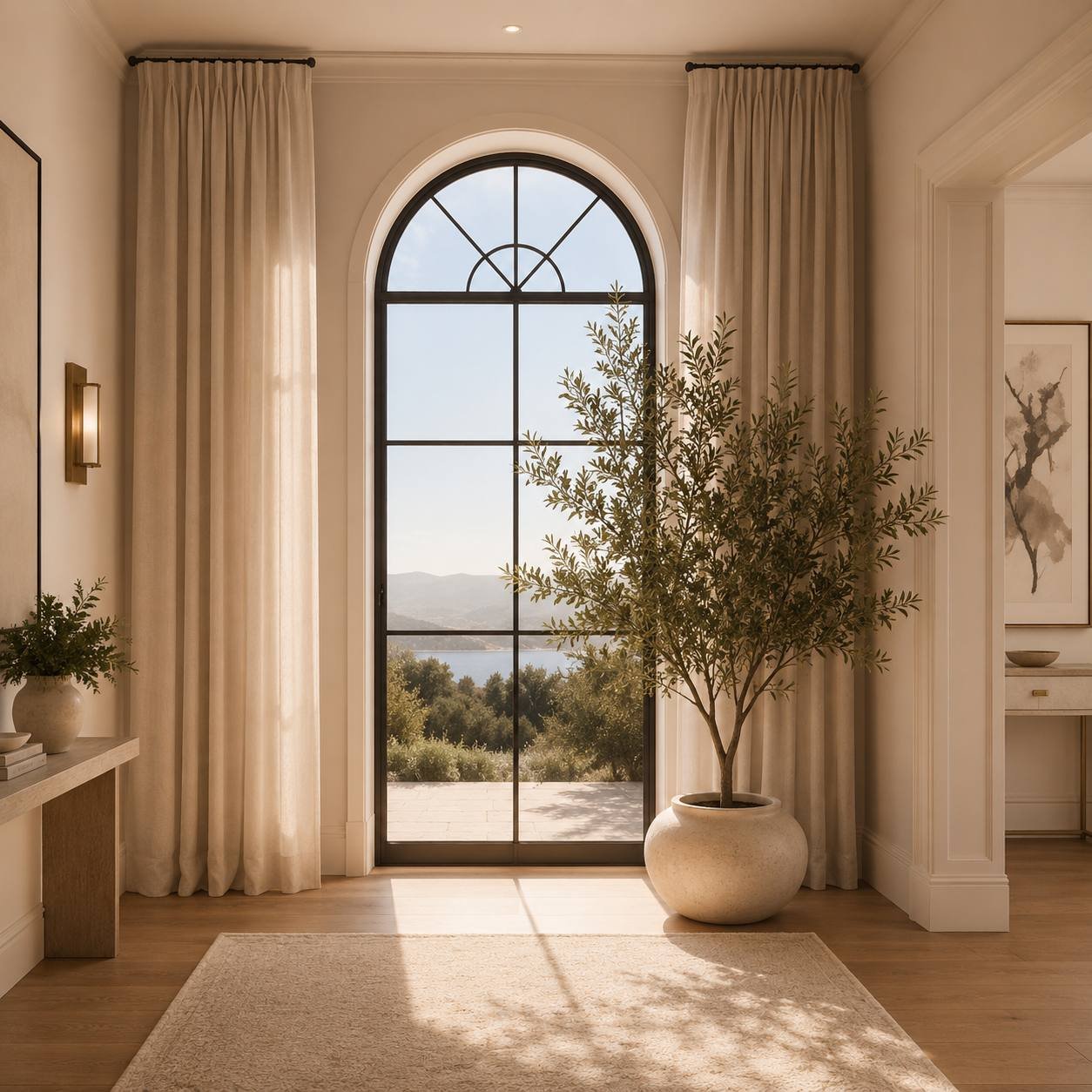
Ask anyone to describe a home they loved and they will, sooner or later, describe the light: the morning sun across a kitchen table, a bright room that made winter feel shorter, the golden hour that turned an ordinary wall into something worth watching.
Natural light is not decoration. It regulates our sleep, lifts our mood, makes small rooms feel generous, and reveals the true color of every material in the house. In architecture we treat it as a building material — and you can too, whether you are designing a new home or working with the windows you already have.
Foundations
Why Light Shapes How We Feel
Our bodies are calibrated to daylight. Bright mornings signal energy and focus; warm, low light signals rest. When a home supports that rhythm, everything in it feels easier.
- Morning light helps regulate sleep and mood for the whole family.
- Daylit rooms feel larger, cleaner, and more welcoming.
- Natural light shows colors and materials honestly — no bulb can fully imitate it.
- Rooms that follow the sun get used more; dark rooms quietly empty out.
Know Your Home
Learn Your Orientation
Before buying a single curtain, learn where your light comes from. Walk the house at 8 a.m., noon, and dusk, and notice which rooms glow when.
- East — gentle morning sun: ideal for kitchens and breakfast corners.
- South (in the northern hemisphere) — steady light all day: living spaces thrive here.
- West — warm, dramatic afternoons: wonderful for terraces and evening rooms.
- North — cool, even light: calm for offices and studios.
Match each room’s purpose to its hour of light, and the whole home starts to flow.
Windows
Dress Windows Lightly
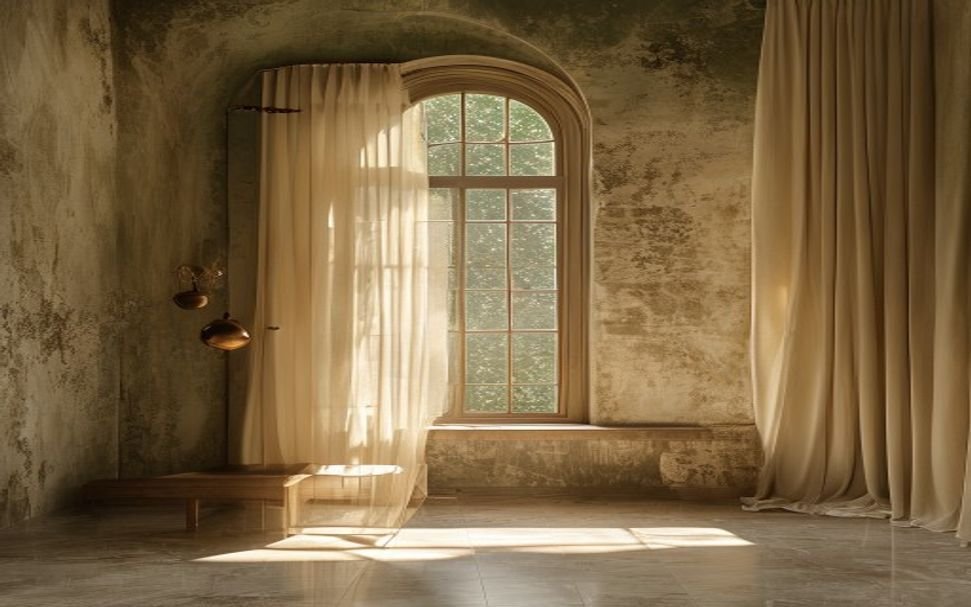
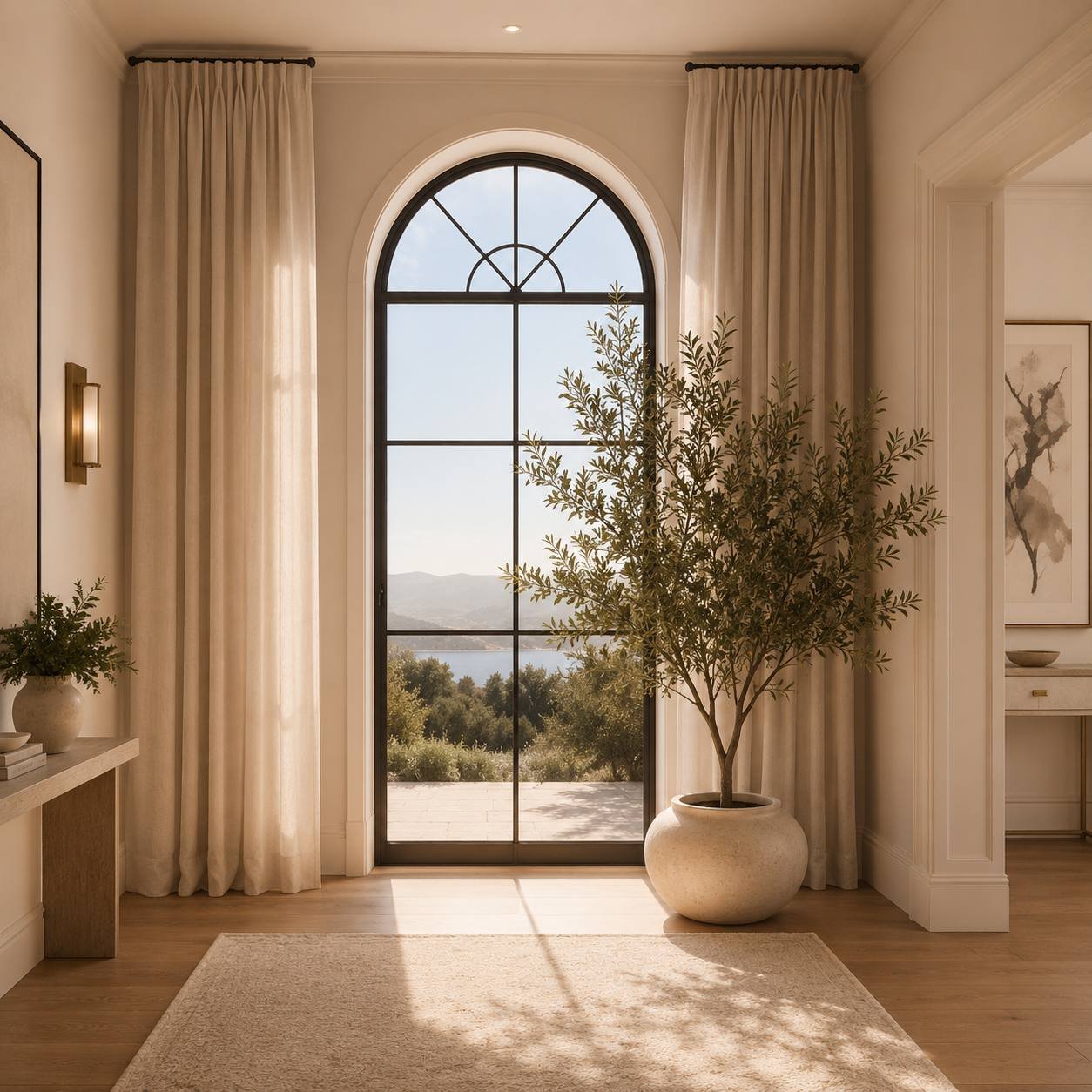
Heavy drapes and deep valances were designed for another century. If you want light, the rule is simple: cover the wall, not the glass.
- Hang curtain rods 15–30 cm above the frame and wider than the window.
- Choose sheers or open-weave linen for the day layer.
- Add a second, heavier layer only where you truly need darkness.
- Keep sills and glass clean — it can add a surprising amount of brightness.
Surfaces
Reflect and Multiply
Every surface in a room is either borrowing light or absorbing it. You can nearly double the effect of one good window with reflective choices:
- A large mirror placed perpendicular to the window — not opposite it — spreads light deeper into the room.
- Soft-sheen paint on ceilings bounces daylight downward.
- Pale floors, rugs, and large furniture pieces carry brightness across the room.
- Glass and polished metal accents catch and scatter the sun.
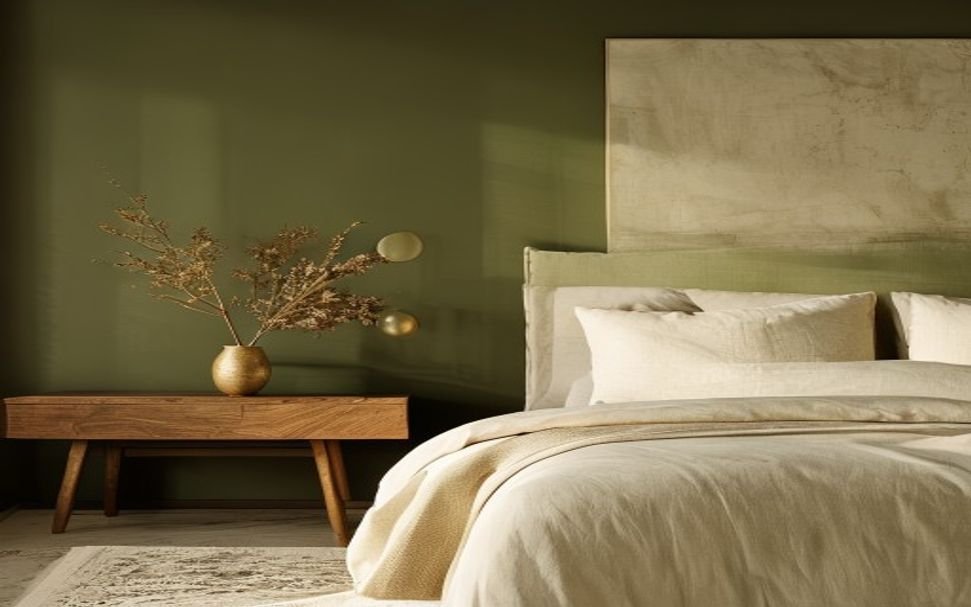
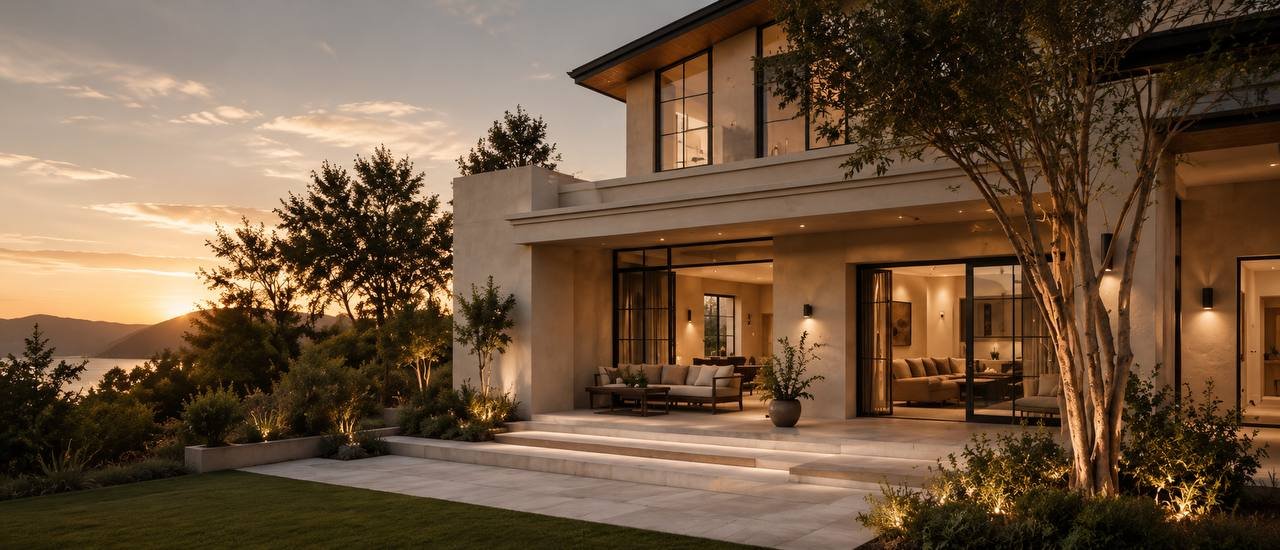
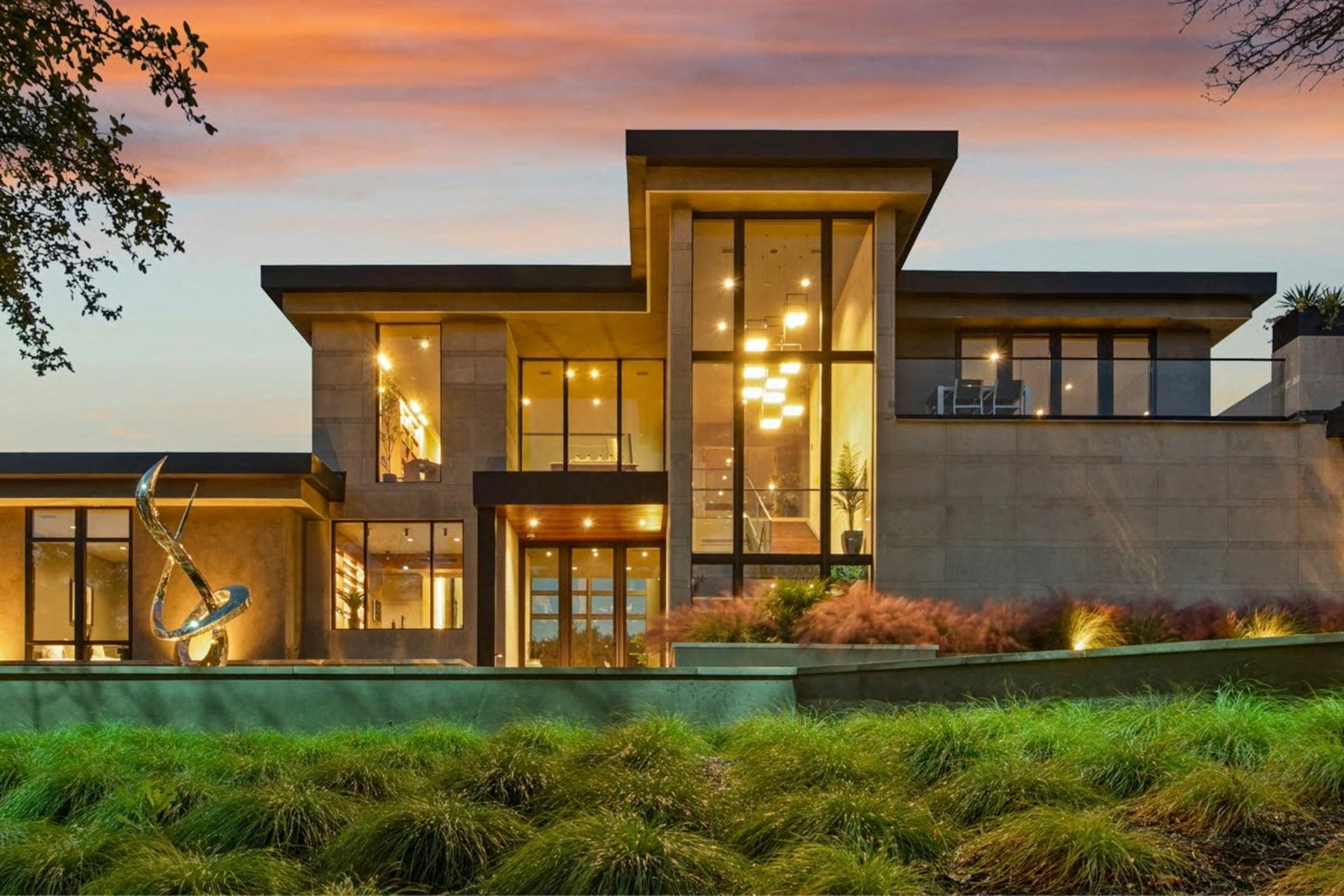
Golden hour — when architecture and light briefly trade places.
Evenings
After Dark, Imitate the Sun
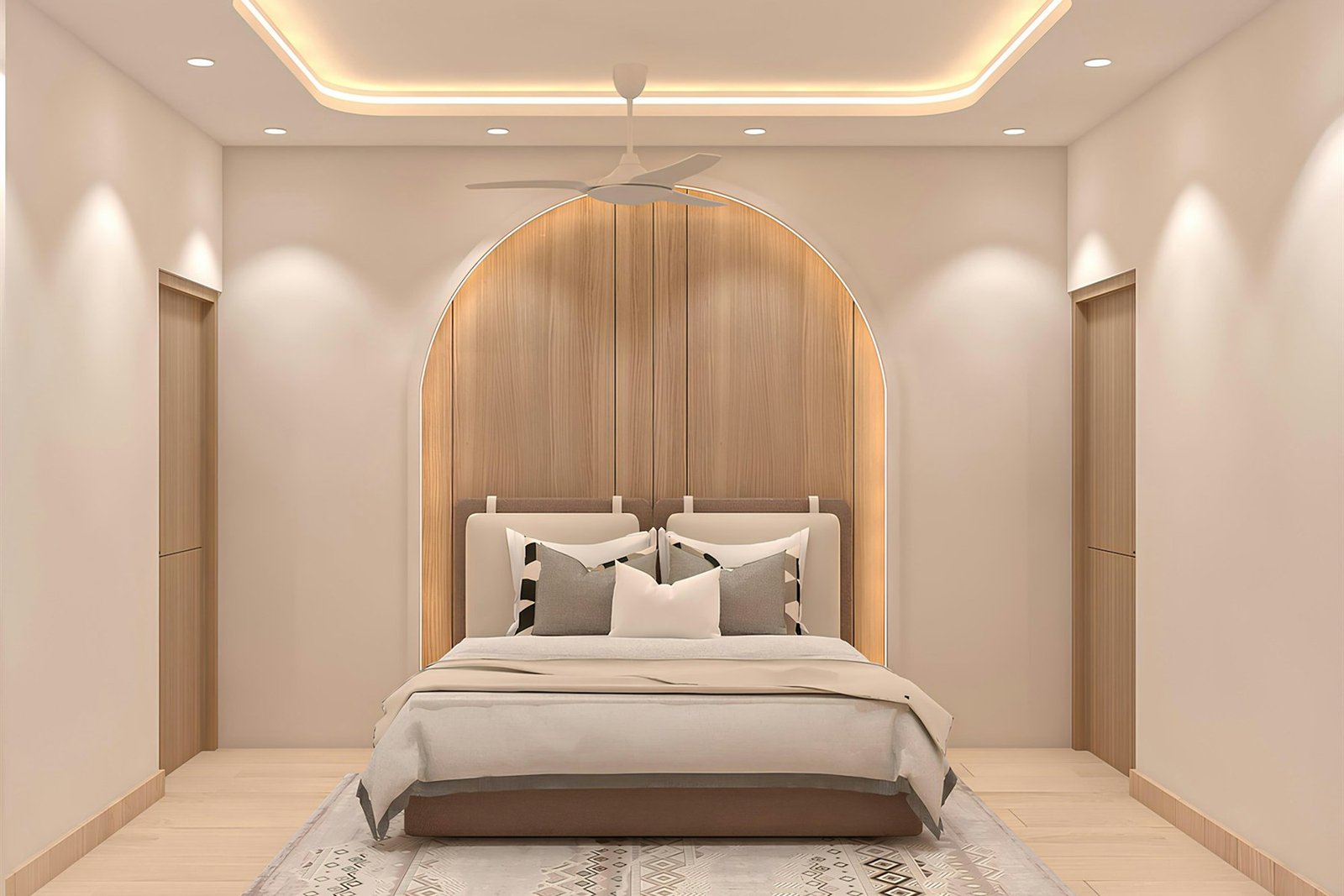
Natural light ends at dusk; a peaceful home continues its logic into the night. The goal after sunset is not brightness — it is warmth at low height.
- Switch to warm bulbs (2700K or lower) everywhere you rest.
- Light in layers: table lamps, floor lamps, candles — not one ceiling source.
- Dim progressively as bedtime approaches; your sleep will notice.
- Save cool, bright light for work hours and task areas only.
The Four Layers of Light
A well-lit home uses all four — each at its own hour.
Outdoors
Let the Light Continue Outside
Windows are two-way: at dusk, a softly lit facade or terrace extends the home beyond its walls. A few warm exterior lights — never floodlights — make evenings feel wider and windows feel deeper.
If you are planning a build or renovation, this is the moment to think about deep windowsills, a glazed door where a solid one stands, or the one larger window that will repay you every single day.
✦ Designer Tips
- Place the dining or breakfast table where morning light lands.
- Trim greenery that blocks the lower half of your brightest windows.
- Prefer several small warm lamps over one bright ceiling fixture.
- Mirrors work best perpendicular to windows — test before you hang.
- In dark rooms, paint the ceiling the palest tone in the room.
- Watch your home for one full sunny day before making any big lighting decision.
Final Thoughts
You can renovate a kitchen and repaint every wall, but nothing transforms a home as quietly and completely as learning to work with its light. Light costs nothing, asks nothing, and changes everything — the size of the rooms, the color of the walls, the mood of the people inside.
Start tomorrow morning: open everything, watch where the sun goes, and follow it with your life for a day. The home will tell you exactly what it needs.